


The Staging ROI That Actually Holds Up
The Real Estate Staging Association has published research showing staged homes sell 73 percent faster than non-staged homes, and multiple Canadian market studies have found staging adds between 1 and 5 percent to final sale prices. On a $900,000 property in the GTA, that 3 percent difference is $27,000. Even a conservative estimate makes a strong case for the investment.
The challenge is that staging exists on a spectrum from decluttering and rearranging existing furniture to full professional staging with rented furnishings. Knowing where to invest and where to stop is the advice that actually serves your client — not a blanket recommendation to stage everything.
The Highest-Return Staging Investments
Decluttering and deep cleaning consistently produce the highest return relative to cost because they are almost free. A home that is clean, clear of personal items, and smells neutral photographs well and shows well — and the cost is a few hours of labour and a cleaning service. Every additional staging investment should be evaluated against this baseline.
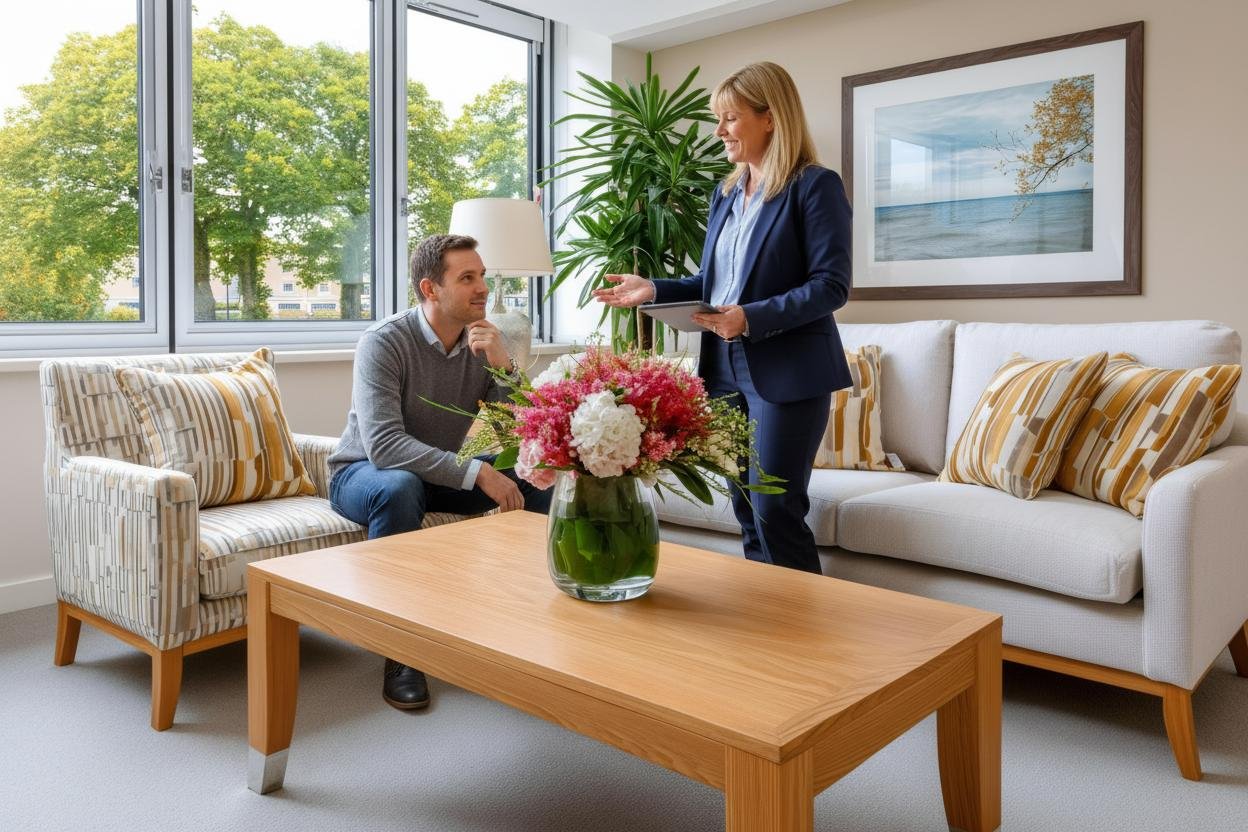
After decluttering and cleaning, the rooms that produce the most measurable return from staging are: the living room, the primary bedroom, and the kitchen. These are the rooms buyers spend the most time imagining themselves in. A staged living room with a cohesive furniture arrangement, neutral textiles, and deliberate lighting communicates a lifestyle. An empty living room with a single sofa left by the sellers tells buyers nothing useful.
Empty vs. Occupied: Different Staging Approaches
Vacant properties almost always benefit from some form of furniture — either full staging with rented pieces or virtual staging in the photography. An empty room is very difficult for most buyers to scale and visualize. Real furniture answers the question "can my dining table fit here?" without requiring the buyer to imagine it. Virtual staging is lower cost but should always be disclosed clearly and should look realistic rather than obviously computer-generated.
Occupied properties have different challenges. The seller's furniture and personal items are already there and need to be edited, arranged, and supplemented rather than replaced entirely. A professional stager who works with the seller's existing pieces can make a dramatic difference at a fraction of the cost of a full vacant staging package.
What Not to Stage
Recommending unnecessary staging wastes your client's money and can cost you their trust. The garage of a suburban family home does not need to be staged. The utility room does not need to be staged. The second bedroom that is being used as an office can be decluttered and cleaned without bringing in rented furniture. Spend staging dollars where buyers spend viewing time — not everywhere equally.
Having the Staging Conversation With Sellers
Some sellers resist staging because they find it impersonal or because they do not want to disrupt their home before the sale. The conversation that tends to work is framing staging as buyer psychology rather than decoration: "Buyers make an emotional decision first and a logical one second. Staging helps them see themselves living here — which makes them more likely to make a strong offer." Lead with data from your own market if you have it, and with the point that staging typically costs far less than the first price reduction on an unstaged home that is sitting.
Building Stager Relationships
Having two or three trusted staging professionals you can refer to — with different price points and styles — is a practical advantage for your clients. A stager you trust will protect your reputation with your clients. A bad staging recommendation reflects on the agent who made it. Vet stagers by seeing their work in person before you start referring business, and stay in contact to know their current availability and pricing.