


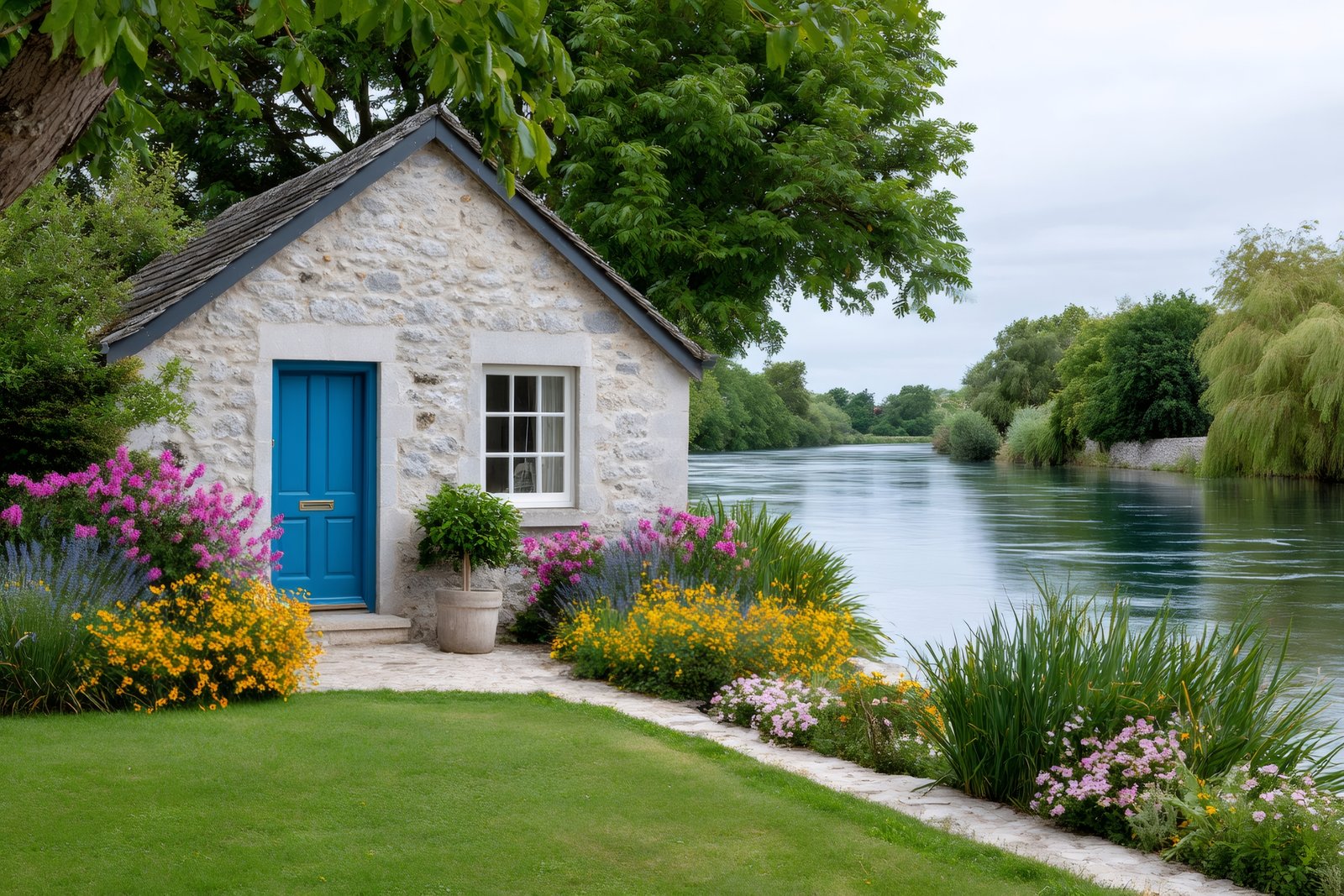
An agent who has spent five years selling semi detached homes in a serviced urban neighbourhood has developed a set of professional habits that do not fully transfer to a waterfront property two hours north. The transaction structure looks familiar. The due diligence underneath it is substantially different, and the gaps are the kind that produce lawsuits rather than mild inconvenience.
Rural and recreational property is a rewarding specialisation with less competition and highly motivated buyers. It also carries an obligation to understand systems that urban properties simply do not have. This is an overview of the areas that most often cause difficulty. It is not legal advice, and rural transactions warrant early involvement from a lawyer who practises in that region.
Water Supply Is Not a Given
Most rural properties draw water from a drilled well, a dug well, or in some cases directly from a lake. Each has different reliability, different water quality profiles, and different buyer implications.
A drilled well is generally the most reliable and buyers treat it accordingly. A dug or shallow well is more vulnerable to seasonal fluctuation and contamination. Lake intake systems raise questions about treatment and winter operation.
Buyers should obtain water quantity and quality testing as a condition, and sellers benefit from having recent results available. Quantity testing measures whether the well can sustain adequate flow over time rather than for thirty seconds. Quality testing covers bacteriological safety and often minerals that affect usability. Lenders and insurers may have their own requirements, and a deal can fail late on a water issue that would have been identified early with a modest test.
Septic Systems Deserve Serious Attention
Septic is where the largest financial surprises live. A failed system can cost tens of thousands of dollars to replace, and replacement is not always straightforward because soil conditions, lot size, and setback requirements from wells and water bodies all constrain what can be installed.
Know what to ask. What type of system is it and when was it installed. Is there a permit and a record of the installation on file with the local authority. When was it last pumped and inspected. How many bedrooms was it designed for, which matters because a buyer planning to add bedrooms may be planning something the system cannot support.
A septic inspection by a qualified inspector should be standard on any rural purchase, and it is distinct from a general home inspection. Agents who treat it as optional are gambling with their client's money and their own liability.
Waterfront Brings Its Own Layer
Waterfront property adds considerations that catch even experienced urban agents off guard.
Shore road allowances are the classic example. In many Ontario municipalities the original survey reserved a strip of land along the water that was never conveyed to the property owner, meaning the owner's title may stop short of the actual shoreline. Whether it has been closed and purchased matters for docks, boathouses, and any structure near the water. Buyers frequently assume they own to the waterline. Sometimes they do not.
Water access only properties need explicit handling. How does the buyer reach the property, is there deeded parking on the mainland, what happens in shoulder seasons when the ice is neither safe nor absent, and how does that affect financing and insurance.
Shoreline structures such as docks and boathouses may require approvals from more than one authority, and existing structures may be non conforming. Water levels, flooding history, and erosion are legitimate buyer questions in many regions.
Access, Roads, and Seasonal Realities
Confirm how the property is accessed and who maintains that access. A private road maintained by an association carries an annual cost and a set of obligations. An unassumed road may not be plowed in winter. A right of way over neighbouring land needs to be properly registered rather than merely traditional.
Year round access affects financing, insurance, and use, and a buyer intending to convert a seasonal cottage into a full time residence needs to understand whether the building, the systems, and the road support that. Insulation, heating, water line depth, and septic capacity all differ between seasonal and year round construction.
Zoning and Environmental Constraints
Rural zoning is more varied than urban zoning and often overlaid with conservation authority regulation, environmental protection designations, floodplain mapping, and in some regions agricultural restrictions. A buyer with plans to build, expand, sever, or add a secondary dwelling should confirm feasibility before committing rather than after.
Never provide confident answers about what a buyer can build. Direct them to the municipality and the relevant conservation authority, and build sufficient conditional time into the agreement for those enquiries to be answered.
Marketing Rural Property Differently
The buyer for a cottage is frequently not local. They are searching from a city, often at a distance, and making an emotional decision about a lifestyle rather than a practical decision about a commute.
That changes the marketing. Photography should capture the setting as much as the structure, including water, light, and the surrounding landscape across seasons where possible. Video and drone footage are far more valuable here than in urban listings because they convey setting and scale that photographs flatten. Listing descriptions should address the practical questions distant buyers cannot check themselves, including access, systems, and what is included.
Seasonality matters more than in urban markets. Recreational property interest peaks well before summer, which means listing decisions should be made months ahead rather than reactively. Agents who understand that rhythm and prepare their sellers in advance consistently outperform those who arrive at the market in July.