


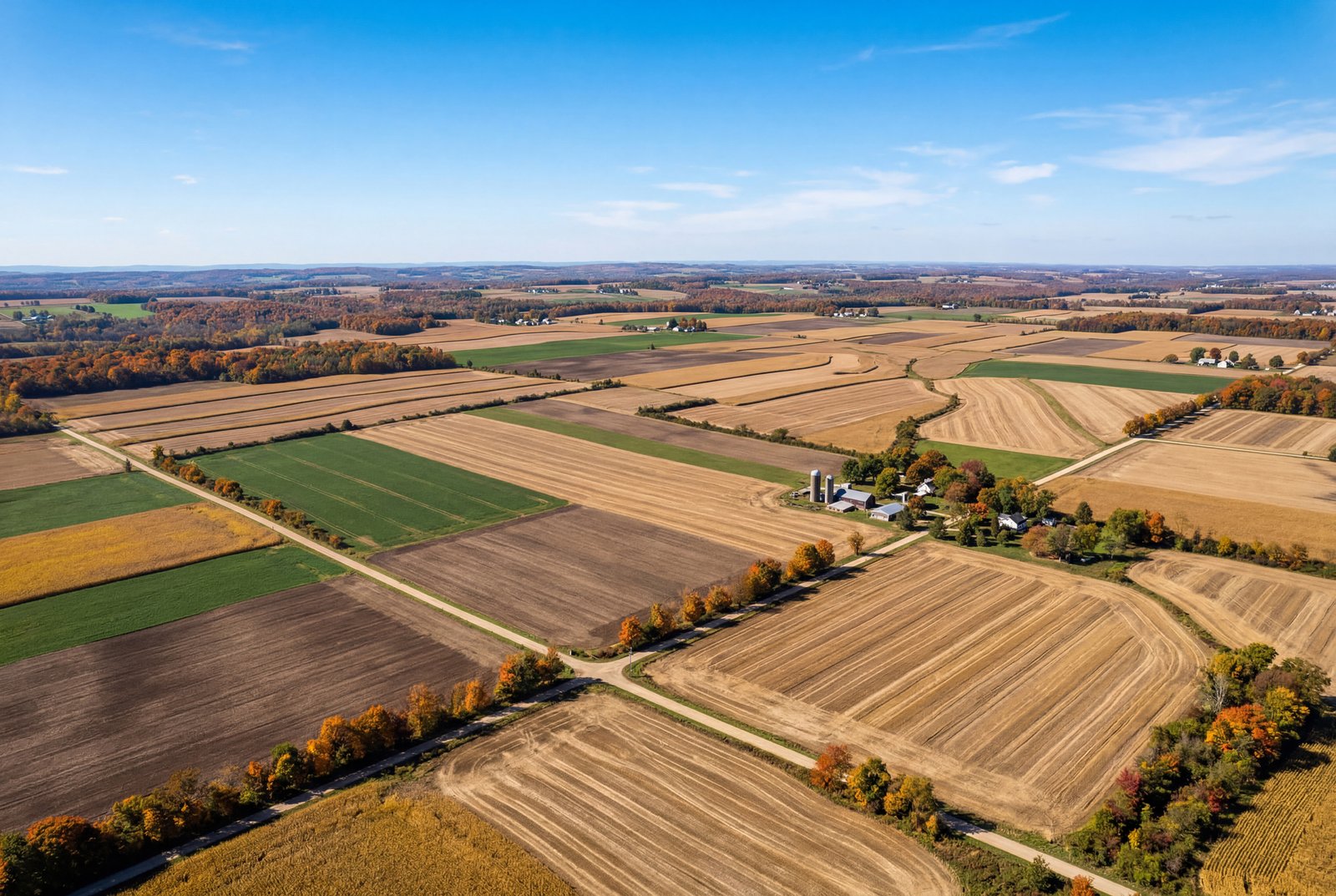
Geographic farming, the practice of concentrating your real estate marketing efforts in a specific neighbourhood with the goal of becoming the recognised expert and go-to agent in that area, is one of the oldest strategies in real estate and one of the most consistently effective. It is also one of the most commonly abandoned strategies, because the results are slow to arrive and the temptation to diversify into other areas or try different approaches kicks in long before the farm has had enough time to mature.
Twenty-four months of consistent execution is the threshold at which most successful farm area agents report that the strategy starts paying for itself clearly. This is not a quick win. It is a compounding asset that produces increasing returns over time. Here is what the 24-month execution looks like.
Choosing the Right Farm Area
The selection of your farm area is the single most consequential decision in the entire strategy. A poorly chosen farm area can absorb years of effort and investment without producing meaningful results. A well-chosen one becomes a reliable source of listings and referrals that supports your business indefinitely.
The criteria that matter: annual turnover rate of at least 5 to 7 percent, meaning at least 5 to 7 percent of homes in the area sell each year; no entrenched dominant agent who already has a clearly established market share advantage; proximity to your office or home so that the additional time spent in the area does not become a logistical burden; a price range that aligns with your experience and target income; and a community character that allows for genuine engagement rather than purely transactional contact.
Pull the sales data from your MLS for any area you are considering. How many homes sold in the last 12 months? Divide that by the total number of homes in the area to get the turnover rate. What is the average sale price? Who listed the majority of those properties? If one agent has listed 40 percent of the sales in the last two years, entering that farm is a significant challenge. If the sales are distributed across many agents with no clear leader, the opportunity is real.
Months 1 to 6: Establishing Presence
The first six months are about becoming visible and beginning to build recognition. No one in the neighbourhood knows who you are yet, and your job is to change that through consistent, multi-channel contact.
Begin with a direct mail introduction that is genuinely informative: a market update showing what homes in the specific neighbourhood sold for in the last quarter, with your contact information and a clear offer of value. Follow this with monthly mailings, alternating between market updates, home maintenance tips for the season, and community-focused content like information about local events or new businesses that have opened nearby.
Walk the neighbourhood regularly. Introduce yourself when you meet people. Attend community events. If there is a local business association or community group, join it or attend their meetings. This physical presence creates a recognition layer that mail alone cannot produce.
Months 7 to 12: Deepening the Relationship
By month seven, you should have received some responses to your mailings, had some conversations at community events, and perhaps generated an inquiry or two. This is the period where many agents get discouraged because the results feel modest relative to the effort. Persistence through this period is what separates the agents who build successful farms from those who abandon the strategy too early.
If you have a listing in the farm area during this period, amplify it with intensive just-listed and just-sold outreach to every address in the farm. A listing in your farm area is your most powerful credibility signal to the neighbourhood. When it sells, the just-sold notification that goes to every home in the farm reaches exactly the right audience at exactly the right moment.
Months 13 to 24: Compounding and Converting
By the second year, your name and face are familiar to a significant proportion of the homeowners in your farm area. The monthly mailers are expected. Some homeowners have saved your contact information. A few have already referred someone to you. The conversations you have when you walk the area feel like reconnections rather than introductions.
This is the period where the investment in the first year begins to pay compound returns. Each listing you close in the farm generates more visibility. Each just-sold piece reinforces your market presence. Each referral from a homeowner who has been receiving your mailings for 18 months demonstrates that the relationship-building phase is working.
By the end of month 24, the goal is to have closed enough transactions in the farm area that your name appears consistently when homeowners check who has been selling in their neighbourhood. At that point, you are no longer trying to enter the farm. You are defending a position you have earned through sustained effort, and that position is far easier to maintain than it was to build.