


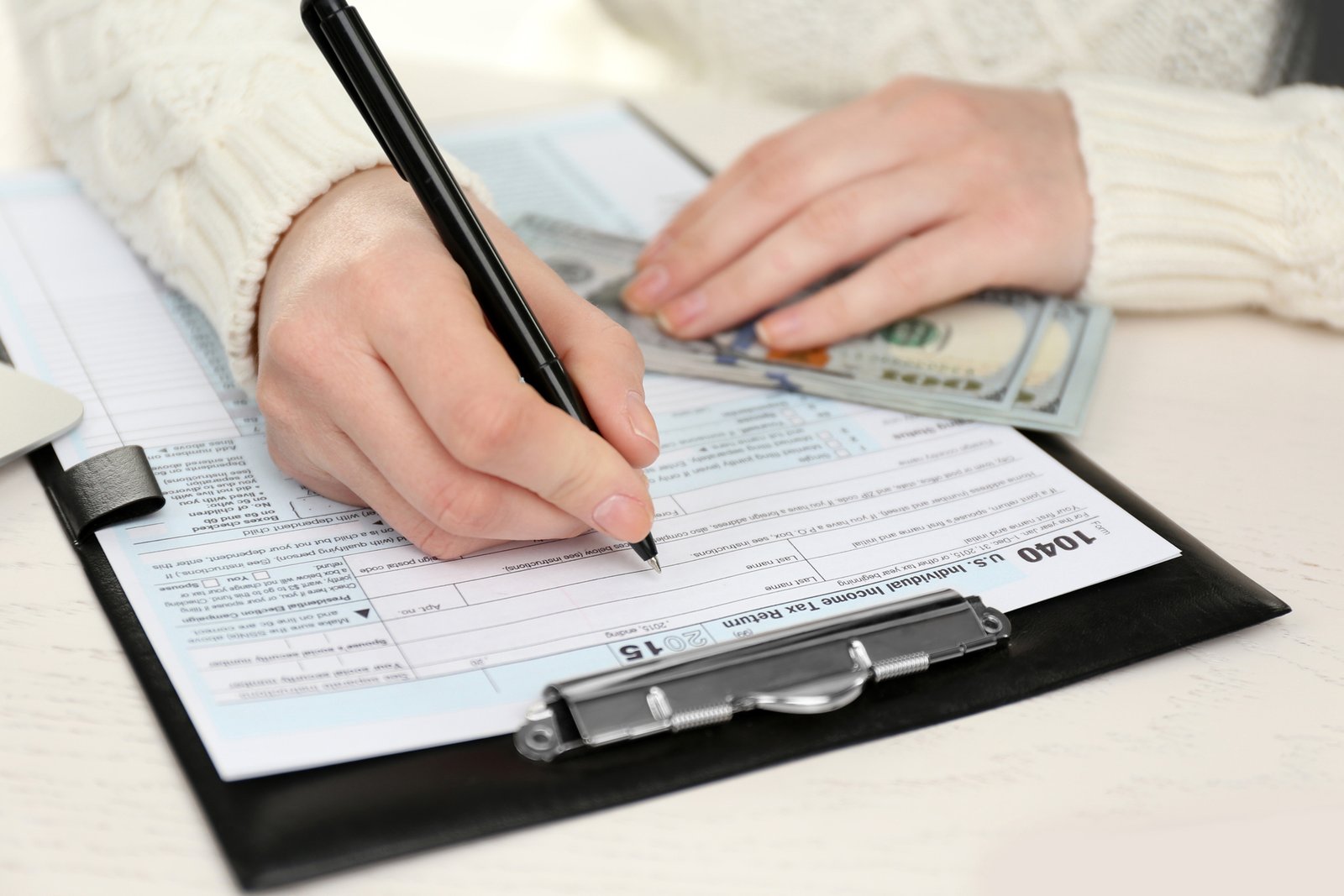
Real estate agents in Canada are almost universally self-employed, which means they are responsible for tracking their own income, managing their own deductions, and remitting their own taxes. This is fundamentally different from employment income, where most of the administrative burden sits with the employer. For a realtor, the CRA expects you to report your gross commission income and to deduct only legitimate business expenses supported by documentation.
The good news is that self-employed realtors have access to a meaningful range of deductions that employed individuals do not. The caution is that claiming deductions that are not legitimate, mixing personal and business expenses, or failing to keep adequate records creates exposure to a CRA audit and potential penalties that cost far more than any tax savings from the questionable claim. This is not legal or financial advice. Work with an accountant who understands self-employed real estate professionals for specific guidance on your situation.
Clearly Deductible Business Expenses for Realtors
Several categories of expense are clearly and legitimately deductible for self-employed real estate agents who use them for business purposes.
Brokerage fees and desk fees paid to your brokerage are deductible business expenses. E and O insurance premiums, real estate board dues, and professional membership fees are deductible. Marketing and advertising costs, including website fees, photography, signage, print materials, online advertising, and social media promotion directly related to your real estate business, are deductible. Office supplies used in your business are deductible. Professional development costs, including courses, seminars, and conference registrations related to your real estate practice, are deductible. Accounting and legal fees for your real estate business are deductible.
Vehicle Expenses: The Most Complex Category
Vehicle expenses are one of the largest deductions available to realtors and one of the most frequently mishandled. The CRA allows self-employed individuals to deduct the business-use portion of their vehicle expenses, including fuel, insurance, repairs and maintenance, license and registration fees, and either capital cost allowance on a purchased vehicle or lease payments on a leased one.
The critical requirement is that you must track your actual business kilometres and your total kilometres driven for the year. The deductible portion is the ratio of business kilometres to total kilometres. If you drove 25,000 kilometres in total and 18,000 of those were for business purposes, you can deduct 72 percent of your total vehicle expenses for the year. The CRA expects you to maintain a mileage log that records the date, destination, purpose, and kilometres for each business trip. An undocumented claim for vehicle expenses is one of the most common audit triggers for self-employed individuals.
Home Office Expenses
If you use a portion of your home exclusively and regularly for your real estate business, you may be eligible to deduct a proportional share of home operating expenses including heat, electricity, maintenance, and a portion of your rent or mortgage interest and property taxes. The eligible portion is typically calculated as the square footage of the dedicated workspace divided by the total square footage of the home.
The key word is exclusively. A home office that is used for personal purposes when it is not being used for business does not qualify for the deduction. A dedicated room used only as a workspace does. The CRA scrutinizes home office claims carefully, and claiming more than is genuinely supported by the facts creates audit risk that outweighs the tax benefit for most realtors.
Expenses That Are Not Deductible
Personal expenses are not deductible regardless of how they are framed. A dinner where business was discussed but the primary purpose was personal enjoyment cannot be fully deducted. A gym membership cannot be deducted on the basis that being physically fit helps you show houses. Clothing that could be worn outside of a professional context, meaning most business casual attire, is not deductible even if purchased specifically for client meetings.
Meals and entertainment expenses that are genuinely business-related are deductible at 50 percent, not 100 percent. This is a common error: realtors who deduct 100 percent of restaurant receipts where business was discussed are overclaiming and creating potential audit exposure.
The Record-Keeping Standard That Protects You
The CRA expects you to keep records sufficient to support every deduction claimed for a minimum of six years from the end of the tax year in question. In practice, this means keeping receipts for all business expenses, maintaining a mileage log for vehicle expenses, retaining contracts and invoices for professional services, and keeping bank and credit card statements that support your business expenditure. Digital records are acceptable but must be legible and accessible. An accountant who understands real estate agent taxation is worth far more than their fee in the money they save and the audit exposure they help you avoid.