


Real estate video has an unusual problem. Almost every agent agrees it is important, a large proportion produce it, and most of what gets produced is watched for eleven seconds and abandoned.
The reason is that the standard format is a slideshow. Smooth footage of empty rooms, an instrumental track, occasional text captions naming the room being shown. It is pleasant, it is professional, and it conveys almost nothing that the photographs did not already convey more efficiently.
Video earns its place when it does something photographs cannot, which is to explain. Flow between rooms, sense of scale, what the light does, why a layout works, what the street feels like. That requires a voice and a structure rather than a camera and a soundtrack.
Decide What the Video Is For
Different objectives produce different videos, and trying to make one video serve all of them produces something that serves none.
A short social video exists to stop a scroll and generate curiosity. Thirty to sixty seconds, vertical, immediate visual hook, minimal explanation, strong call to see more.
A full tour video exists to qualify serious buyers and reduce wasted showings. Two to four minutes, horizontal, narrated, genuinely informative. This is the one that belongs on your listing page and your YouTube channel.
A neighbourhood video exists to build local search presence and serve buyers unfamiliar with the area. It may not feature a specific property at all, and it often outlives every listing video you produce.
Script It, Even Loosely
Unscripted walkthroughs produce filler. Agents fill silence with observations about how nice things are, and viewers disengage.
Plan the route through the home before filming, and decide what you will say in each space. Not word for word, but the specific point. In the kitchen, the point might be the sightline to the family room and why that matters for how a family uses the space. In a bedroom, it might be the direction it faces and what that means for morning light.
Open with something specific rather than generic. Welcome to this beautiful home is the weakest possible first line and it appears in a majority of real estate videos. Naming what makes this property unusual in its first sentence buys you the next thirty seconds of attention.
Address the objection somewhere in the middle. Every property has one, and acknowledging it honestly, along with any mitigating context, builds far more trust than pretending it does not exist. Buyers who watch a video that admits the second bedroom is small arrive at the showing prepared rather than disappointed.
Shooting Technique That Is Achievable
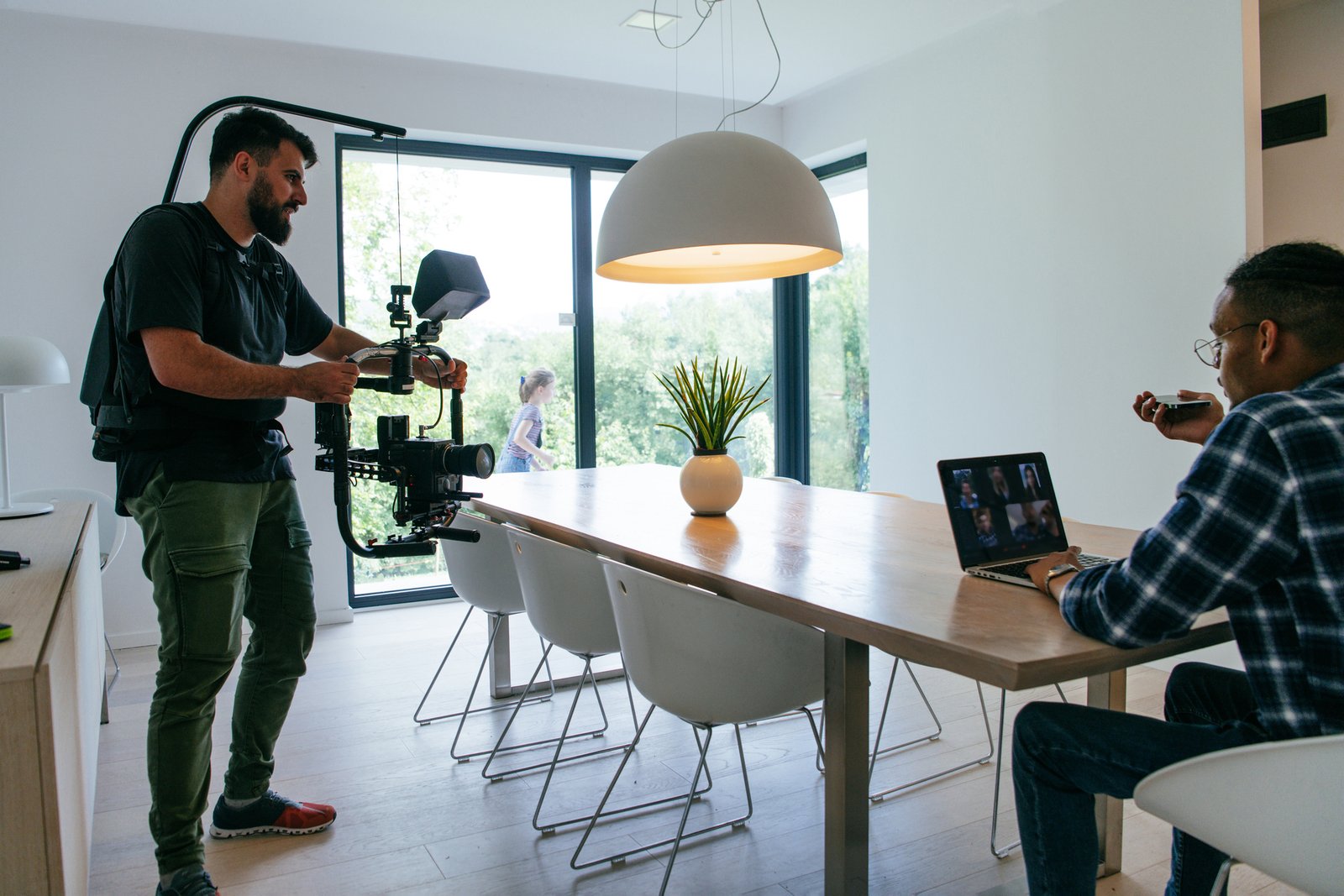
You do not need cinema equipment. A recent smartphone, a gimbal for stabilisation, and an external microphone will produce work that is entirely acceptable for property marketing.
Audio quality matters more than video quality, which surprises people. Viewers tolerate imperfect footage and abandon poor sound immediately. If you are narrating on location, use a lapel or wireless microphone rather than the phone's built in one. Alternatively, film silent and record narration afterward in a quiet room, which is easier to control and to correct.
Move slowly and deliberately. Walk at half your natural pace and let the camera settle in each room before moving on. Rushed footage reads as amateur even when everything else is right.
Light the property as you would for photography. Every light on, blinds open, and shoot at the time of day when the main rooms get their best light. Film exteriors separately when conditions are good rather than accepting whatever the weather offers on filming day.
Editing With Restraint
Keep it shorter than feels right. Most tour videos improve when cut by a third. Remove hesitations, remove repeated observations, and remove any section where nothing new is being communicated.
Add captions. A large majority of social video views happen with sound off, and captions are also an accessibility measure and a source of indexable text.
Include a clear call to action at the end, and make it specific. Not contact me for details, but a direct instruction such as booking a showing at a named link, with your contact information on screen long enough to be read.
Publishing for Reach and Search
Put the video on your own listing page first. Video on a listing page increases time on page and gives serious buyers a reason to stay rather than returning to a portal.
Upload natively to each platform rather than sharing links, since every social platform suppresses content that sends people away. Cut the vertical short version specifically for social rather than reposting the horizontal one with black bars.
Use YouTube deliberately, because it is a search engine rather than only a social platform. Title videos the way people search, which usually means including the neighbourhood, the property type, and the city. Write real descriptions with useful information and a link to your website. Over time, neighbourhood and property type videos accumulate search traffic that continues long after individual listings have sold.
Consistency Over Production Value
An agent producing a competent narrated video for every listing will build a stronger presence than one producing an occasional cinematic piece. Volume creates familiarity, familiarity builds trust, and the accumulated library becomes a genuine asset that demonstrates activity to prospective sellers.
The first ten videos will be uncomfortable and the tenth will be noticeably better than the first. That progression only happens through repetition, which is why the agents who succeed with video are almost never the ones who waited until they felt ready.