


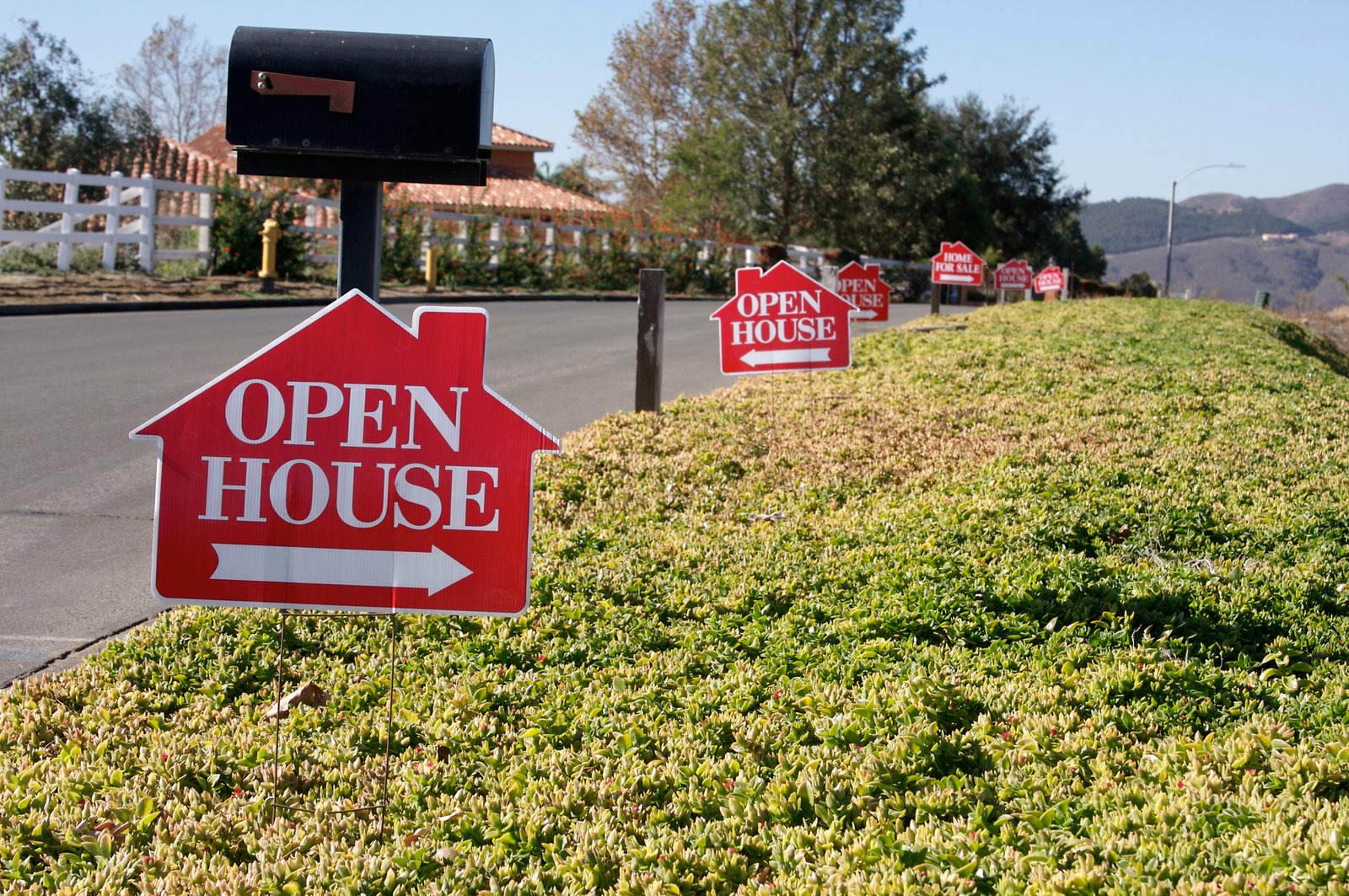
Ask ten agents how their last open house went and most will answer with a number. Twenty-two groups through the door. Nine sign-ins. Three serious. What almost none of them can tell you is what happened to those nine names over the following month, and that gap is where the majority of open house value quietly disappears.
An open house is not a lead generation event. It is a lead capture event. The generation happens later, in the follow-up, and follow-up is a system rather than a mood. Agents who convert open house traffic reliably are not necessarily more charming on a Sunday afternoon. They have simply decided in advance what happens to every name they collect, and they have built the process so it runs whether or not they feel like doing it.
Capture Is the Foundation, and Paper Is Costing You
Everything downstream depends on the quality of the contact information you collect, which means the sign-in method matters more than most agents think. A clipboard and a pen produce illegible email addresses, fake phone numbers, and a stack of paper that sits in the passenger seat until Wednesday. A digital sign-in on a tablet, connected to your CRM, produces validated data that is already in your system before you lock the door.
The second advantage of digital capture is that you can ask better questions without it feeling like an interrogation. Are you currently working with an agent. Are you looking in this neighbourhood specifically. What is your rough timeline. Three optional fields, answered honestly by half of visitors, give you enough to segment the list instead of treating every name identically.
Be transparent about why you are collecting information. Sellers expect their agent to know who came through their home, and most visitors accept that reasoning immediately. If someone declines to sign in, let it go gracefully. Pushing a reluctant visitor produces bad data and a bad impression.
The First 24 Hours Set the Tone
Send something within a few hours of the open house closing, while your face is still attached to your name in the visitor's memory. Wait until Tuesday and you are a stranger sending a marketing email.
The first message should be short, personal, and useful. Thank them for coming, reference something specific about the conversation if you had one, and attach or link the feature sheet along with anything else relevant. A comparable listing they might not have seen. The neighbourhood price trend for that housing type. The point is to be helpful once before you ask for anything.
Resist the urge to ask for a buyer consultation in the first message. You are establishing that you are a professional who follows through, not a salesperson who found an email address. The ask comes later, and it converts far better when it does.
A Seven Day Sequence That Does Not Feel Like Pestering
The next week is where most agents fall silent. Build a short sequence instead, spaced so it feels like attentiveness rather than pressure. A second touch two or three days later with new listings matching what they seemed interested in. A third touch near the end of the week with something genuinely informative, such as a short market update for the area or an explanation of a process step most buyers find confusing.
Vary the channel. If the first two touches were email, make the third a brief text or a quick call. Different people respond to different mediums, and an unanswered email is not evidence of disinterest. It may only be evidence that the person deletes marketing emails without reading them and would happily have answered a text.
The tone throughout should be that of a local professional keeping someone informed, not a vendor chasing a sale. If a visitor tells you they are working with another agent, thank them, add them to a long term list, and stop the sequence. Respecting that boundary is both the professional obligation and the reason some of those people call you in two years when their arrangement has ended.
Segmenting the List So Effort Goes Where It Pays
Not every sign-in deserves the same investment. Neighbours who came to see what the house sold for are not buyers, but many of them are future sellers, and they are arguably the most valuable names on the sheet. Put them into a neighbourhood nurture stream that delivers market updates a few times a year. That is how open houses turn into listings eighteen months later.
Active buyers with a real timeline go into an active nurture stream with listing alerts and regular personal contact. Casual browsers with no timeline go into a low frequency stream. Trying to treat all three groups the same either exhausts you or annoys them.
Long Term Nurture Is Where the Compounding Happens
The uncomfortable truth about open house leads is that most of the conversions happen well outside the window in which agents are paying attention. Someone who signed in during October may buy the following June, and whether they call you or someone else depends almost entirely on whether you were still present in their inbox in a way they did not resent.
This is where a CRM stops being optional. Manual follow-up survives about three weeks before real life interferes. An automated nurture sequence, with personal touches layered on top for the highest value contacts, survives indefinitely and costs you almost nothing per contact.
Measure the System, Not the Sunday
Track sign-in rate, response rate to the first message, and conversion to appointment over a rolling ninety day window. Those three numbers tell you whether the problem is capture, messaging, or patience. Agents who track nothing tend to conclude that open houses do not work, when what is usually true is that their follow-up did not exist long enough to find out.