


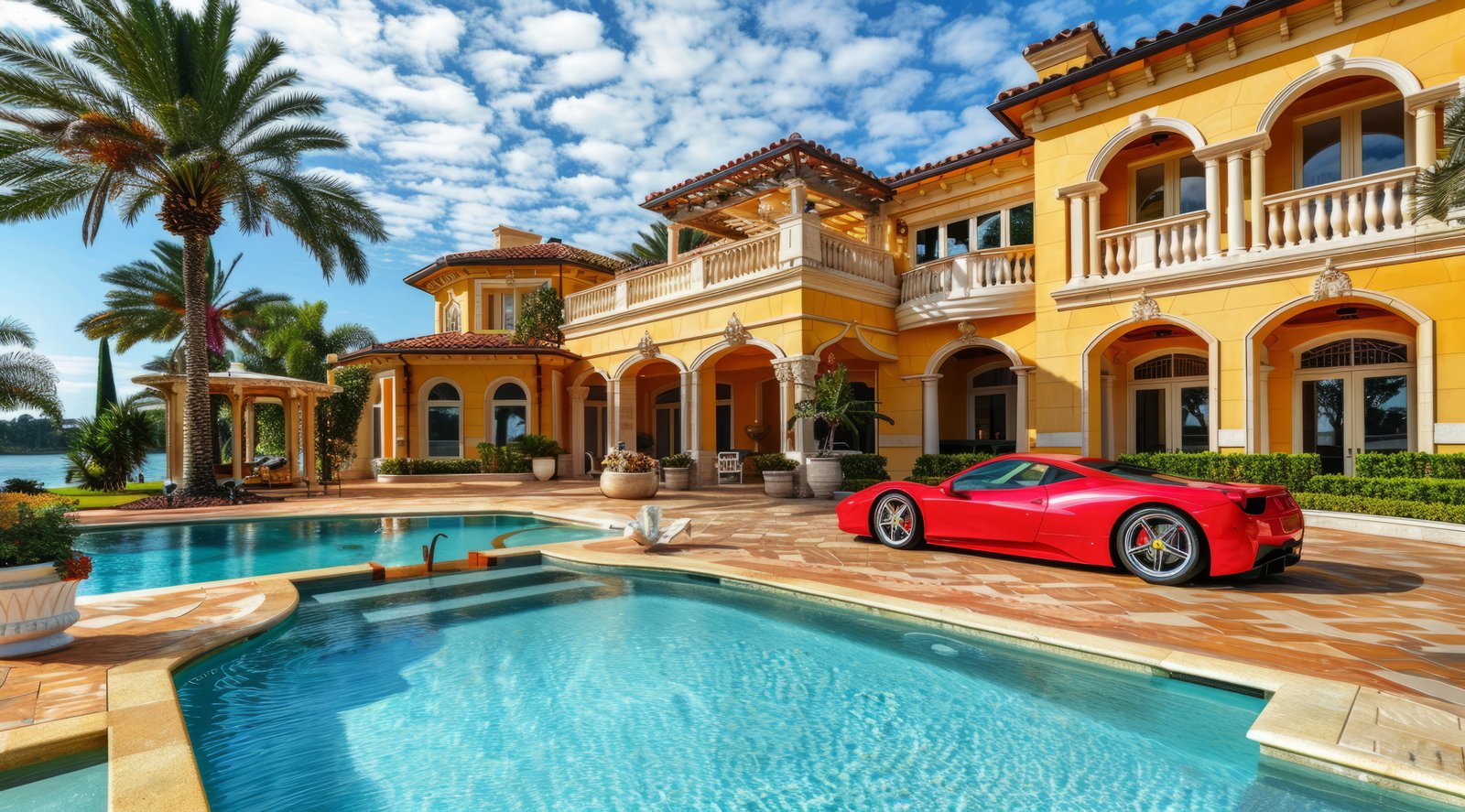
What Luxury Real Estate Actually Means in Canadian Markets
The definition of luxury varies significantly by market. A $2M property in Toronto is a competitive but not uncommon transaction. In Halifax or Saskatoon, a $1.2M home is firmly in the luxury tier. Before you position yourself as a luxury agent, understand where the threshold actually sits in your specific market — based on median price relative to the top 10 percent of transactions — rather than a national benchmark that may not apply locally.
Luxury is not just about price. High-end clients have a different set of expectations around discretion, responsiveness, presentation quality, and local market knowledge. An agent who closes a $2M transaction with the same level of service they bring to an $800K transaction will not receive a referral from that client — and word travels fast at the top of the market.
The Presentation Standards That High-End Clients Expect
Luxury clients are making larger financial decisions with higher stakes. Every touchpoint — your website, your listing marketing materials, your communication style, your CMA presentation format, the quality of your photography — has to reflect that. Blurry photos, generic printed brochures, and a website that looks like a template from 2019 communicate one thing clearly to a high-net-worth client: you do not operate at their level.
Professional photography is mandatory. For properties above $1.5M, a cinematic listing video and 3D Matterport tour are expected, not optional. Printed marketing materials for luxury listings should be high-quality stock, with professional layout and typography. Your website should convey a premium aesthetic that is consistent with the properties you represent.
Where Luxury Buyers and Sellers Come From
High-end transactions in real estate are overwhelmingly driven by referrals and relationships rather than advertising. A luxury buyer is not browsing REALTOR.ca on a Tuesday night and clicking on the first agent they see. They are asking their lawyer, their financial planner, their friends in their social network, or their colleague who recently sold a similar home. Your positioning in those networks matters more than any ad campaign.
Build your professional network deliberately: estate lawyers, private bankers, wealth managers, accountants who serve high-net-worth clients, architects, and luxury interior designers all interact with potential luxury buyers and sellers. These relationships take time to cultivate, but a single referral from the right professional contact can be worth 10 times what a comparable digital lead would produce.
Content and SEO for the Luxury Segment
Luxury buyers conduct research before they transact. A dedicated section of your website covering luxury market insights, notable transactions in your area, and the unique considerations of high-end buying and selling demonstrates expertise to a client who is evaluating multiple agents. Neighbourhood-specific luxury content — "Bridle Path real estate market," "Forest Hill home values," "Rockcliffe Park luxury listings" — captures search traffic from buyers researching specific high-end neighbourhoods and positions you as the local expert before the first conversation.
Earning the First Luxury Listing
The most common path into the luxury market is through a client relationship that grows with you — a buyer you served 10 years ago who is now selling their upgraded home, or a referral from a professional contact who trusts your work even if you have not transacted at that price point before. The luxury market is not entered through a single marketing pivot; it is accessed gradually through genuine expertise, professional relationships, and one excellent transaction at a time.