


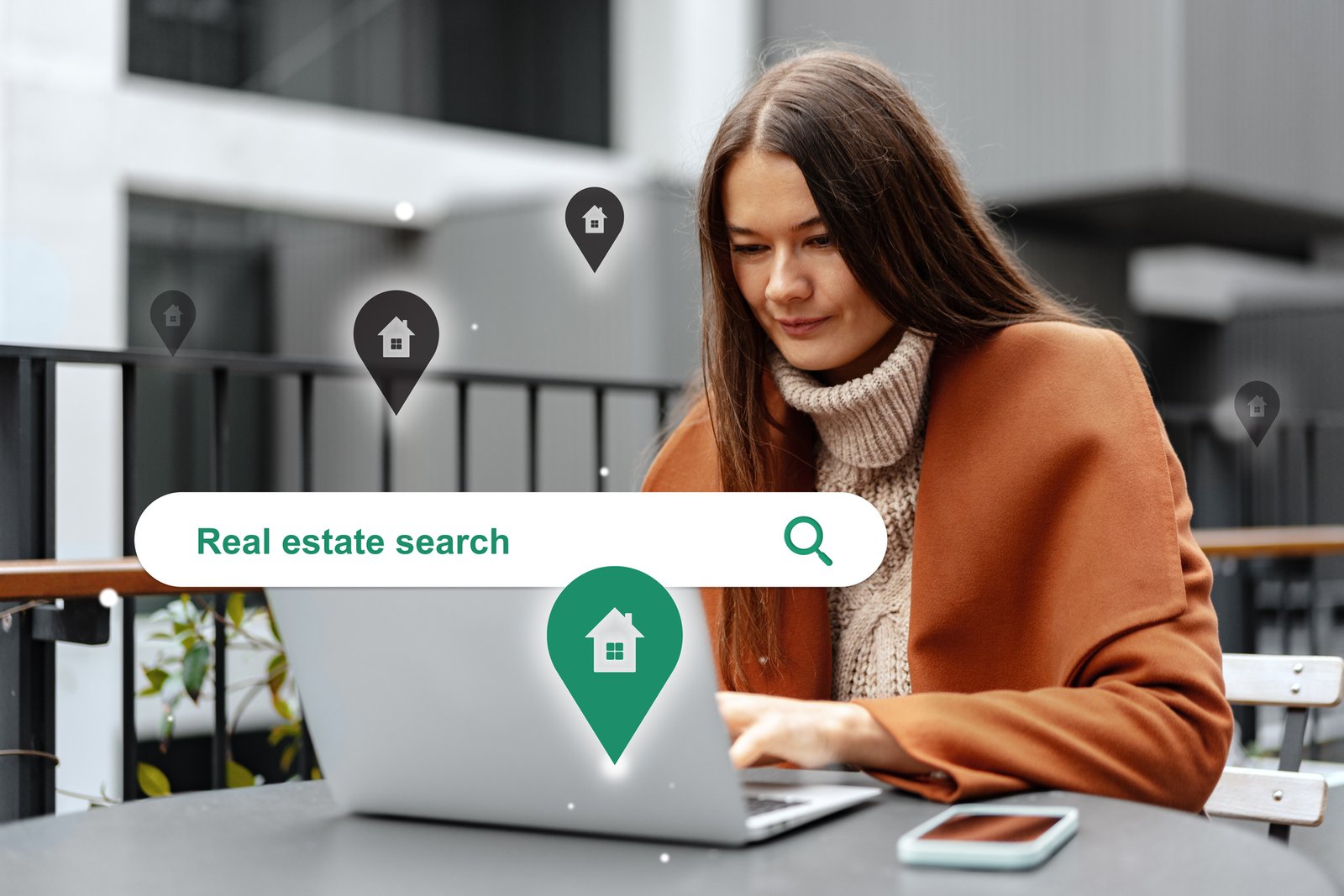
Let me paint you a picture. A young couple sits on their couch on a Tuesday night, laptops open, scrolling through listings in a neighbourhood they've fallen in love with. They type something like "best realtor in Riverside Heights" into Google — and whoever shows up first? That's who gets the call.
That could be you. But only if your hyperlocal SEO game is solid.
Most realtors make the mistake of trying to rank for their entire city. It sounds ambitious, but in practice it just means you're invisible everywhere. The agents who actually win online pick one neighbourhood, go deep, and make Google associate their name with that specific place. It takes time, but the results are lasting — and the leads that come in are already warm.
Here's how to do it properly.
First, Understand What Hyperlocal SEO Actually Means
It's not just adding a neighbourhood name to your homepage and calling it a day. Hyperlocal SEO is about building a consistent, credible digital presence tied to one specific geographic area — a single suburb, community, or even a few streets — so that search engines see you as the most relevant result when someone searches in that zone.
Think of it like this: Google is trying to match searchers with the most useful, trustworthy source of information. Your job is to become that source for your chosen neighbourhood.
Step 1: Pick One Neighbourhood and Commit to It
This is where most agents hesitate, and I get it. Narrowing your focus feels like leaving money on the table. But trying to dominate five neighbourhoods at once usually means dominating none of them.
Choose your target area based on a few honest questions:
- Where do you already have local knowledge, contacts, or past sales?
- Which neighbourhood has real buyer demand but isn't completely saturated with established agent websites?
- Is this somewhere you can genuinely speak about — the streets, the vibe, the schools, the quirks?
Your authenticity about the area will come through in your content, and Google (and readers) notice that.
Step 2: Build a Landing Page That Actually Earns Its Place
Once you've picked your neighbourhood, you need a page on your website dedicated entirely to it. Not a paragraph tucked into your About page — a full, rich, standalone landing page.
What Should Be on This Page?
Think about what a potential buyer or seller would actually want to know:
- A genuine overview of the neighbourhood — what makes it special, who lives there, what the lifestyle feels like
- Current listings and recent sales data
- Local market stats like average price, days on market, and inventory levels
- Links to schools, transit, parks, and community resources
- A few real testimonials from clients you've helped in that area
Weave your primary keyword — something like "homes for sale in [neighbourhood]" or "[neighbourhood] real estate agent" — naturally into the page. Don't stuff it in awkwardly. Write like you're talking to a real person who just asked you about the area over coffee.
Step 3: Make Your Google Business Profile Work Harder
A lot of realtors set up their Google Business Profile once and forget about it. That's a missed opportunity, especially for hyperlocal SEO.
Your GBP is what gets you into the local map pack — those three business listings that show up at the top of local search results. Here's how to actually optimise it:
- Mention your target neighbourhood naturally in your business description
- Set your service area to include that specific community
- Upload real photos — not stock images. Think street shots, sold signs, community landmarks
- Ask recent clients in the area to leave Google reviews, and respond to every single one
- Use the Posts feature to share market updates, new listings, and local tips regularly
Consistency is key. Google rewards profiles that are actively maintained.
Step 4: Publish Content That Only a Local Would Write
This is where most realtors either pull ahead or fall behind. Blog content is your long-term SEO engine, and neighbourhood-focused posts are incredibly powerful — if they're written with real local insight.
Blog Ideas That Actually Work
- "[Neighbourhood Name] Real Estate Market Update — What's Happening Right Now"
- "Moving to [Neighbourhood Name]? Here's What Nobody Tells You"
- "The Best Streets in [Neighbourhood Name] for Young Families"
- "[Neighbourhood A] vs [Neighbourhood B]: An Honest Comparison for Buyers"
- "What $600K Gets You in [Neighbourhood Name] Today"
The trick is to write these like you actually live and breathe this area — because you should. Mention specific intersections, local restaurants, the school everyone talks about. That level of detail signals to Google that you're the real deal, not just someone stuffing keywords into a template.
Step 5: Get Local Links and Citations
Search engines don't just look at your website in isolation. They look at how the rest of the internet talks about you. For hyperlocal SEO, that means building local citations and earning links from neighbourhood-relevant sources.
Practical Ways to Build Local Authority
- Partner with local mortgage brokers, inspectors, or staging companies and link to each other's sites
- Contribute a quote or expert comment to a local neighbourhood blog or community publication
- Sponsor a local event or school fundraiser — many of these post a list of sponsors with links
- Make sure your business is consistently listed across directories like Zillow, Realtor.com, Yelp, and your local chamber of commerce site
Your NAP — Name, Address, and Phone number — should be identical across every single platform. Even small discrepancies confuse search engines and can hurt your rankings.
A Few Mistakes Worth Avoiding
Before you dive in, it's worth knowing where realtors typically go wrong with hyperlocal SEO:
- Spreading across too many neighbourhoods too fast. You dilute everything.
- Copying neighbourhood descriptions from MLS or other websites. Duplicate content is penalised by Google.
- Ignoring mobile. Most local searches happen on a phone. If your site isn't fast and mobile-friendly, you're losing people before they even read a word.
- Treating reviews as optional. They're not. Reviews are one of the strongest local ranking signals Google uses.
Conclusion: Slow Down to Speed Up
Here's the honest truth — hyperlocal SEO is not a quick-win strategy. It's a six-to-twelve-month commitment that compounds over time. But when it works, it really works. You stop chasing leads and start attracting them. You become the name that keeps coming up when people ask around. You build the kind of digital authority that's genuinely hard for competitors to copy.
Pick your neighbourhood. Build the page. Write the content. Show up consistently.
One neighbourhood, done well, is worth more than ten neighbourhoods done poorly. Start there — and own it.